Points
The shortest format. One round, one settlement. Each player records zero or the sum of their unmatched cards. The fastest way to learn the read of the table.
Pool
Points run as a session. Players enter with a chip stack and play rounds until one player is eliminated at the elimination threshold. The last player standing collects the prize pool.
Deals
A fixed number of rounds. The player with the lowest total at the end of the final deal wins. Tactical pacing is the skill load.
13-card traditional
The format with the highest observation load. Declaration requires two sequences, one pure. Used in tournament play and at home.
21-card
Variant with the highest skill floor. Declaration requires two pure sequences and two sets. Recommended after at least a season of 13-card traditional.
Gin
The two-player international variant. No joker, no pure sequence rule. The format reads differently from the Indian formats.
Rummy 500
A variant where players can lay down melds during play rather than only at show time. Faster rounds, higher tempo. Not as widely played in the Indian market.
Contract rummy
A variant where each round has a different contract for the declaration. The contract determines how many melds of which kind must be shown. Common in home games.
Indian marriage
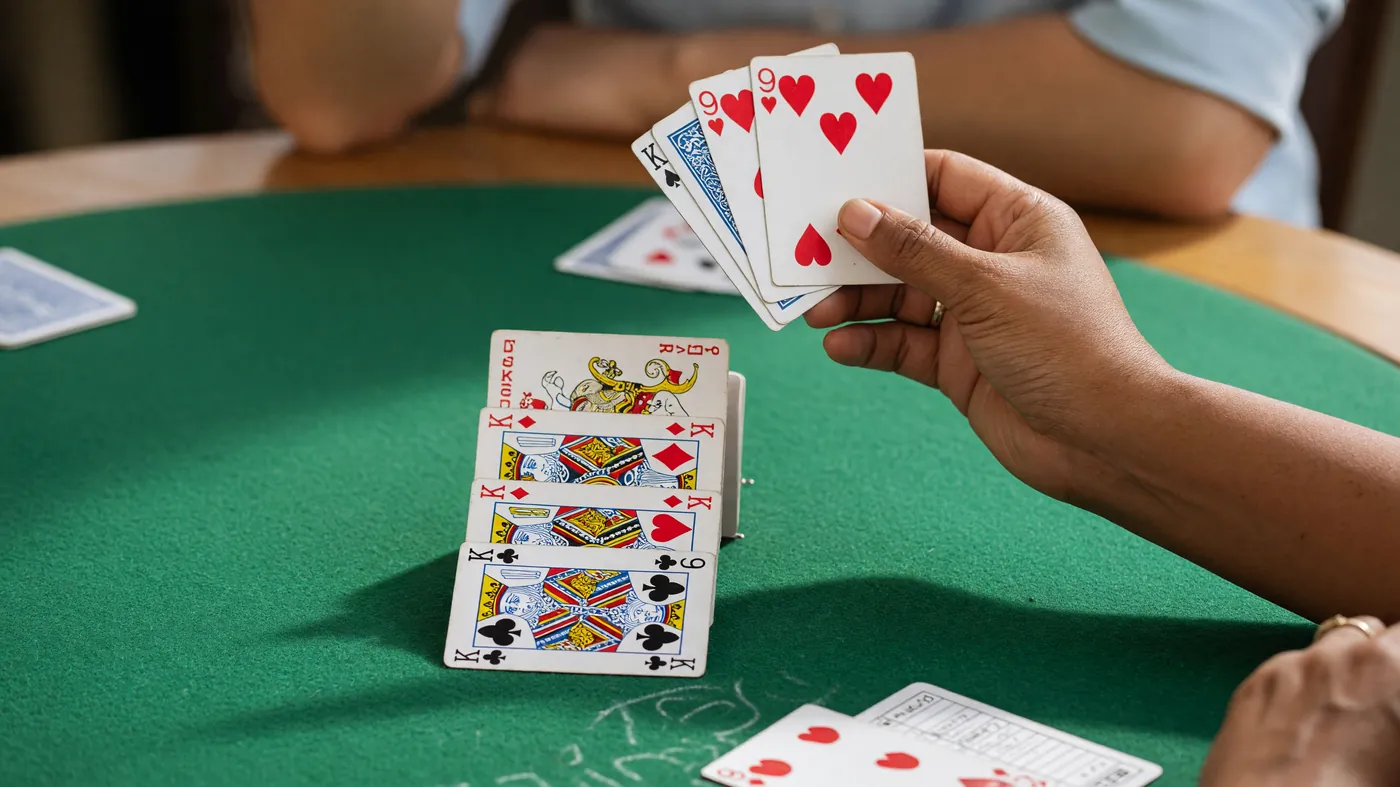
A variant where specific card combinations carry bonus points. The "marriage" is a run of king-queen of the same suit. Adds a small arithmetic layer to the standard 13-card format.
Oklahoma
A gin-rummy variant where the number of cards in the closed pile changes the unmatched-points threshold for knocking. Adds a small decision layer to the standard gin format.
How the desk updates the glossary
New entries are added when the desk encounters a format that has not previously been covered. Existing entries are refreshed quarterly with any published rule clarification. The desk does not remove entries except when the format falls out of common play.