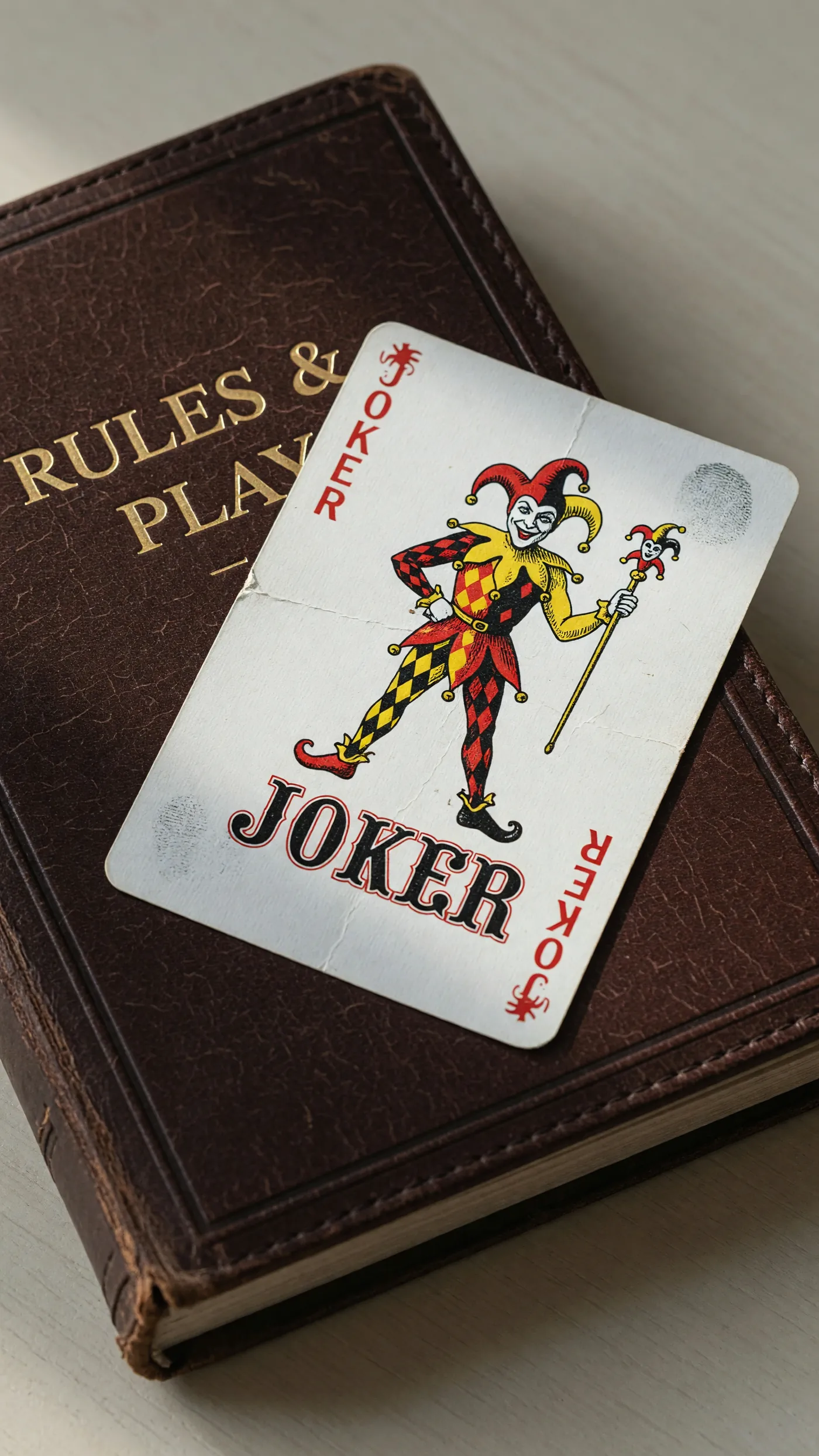
1. The discard window: when to throw the wrong card on purpose
The discard window is the position in the round where the right move is to throw a card you can use, in order to deny the table a card they need. Most beginners throw only the cards they cannot use. Experienced players throw the card that is the most expensive to the table.
The arithmetic is small. Before each discard, count the cards in the closed pile that complete each of your open sequences. If a sequence can be completed by a single card and that card is unlikely to be drawn by the table, the sequence is safe. If a sequence can be completed by several cards, throwing the cards that close those sequences is the right move.
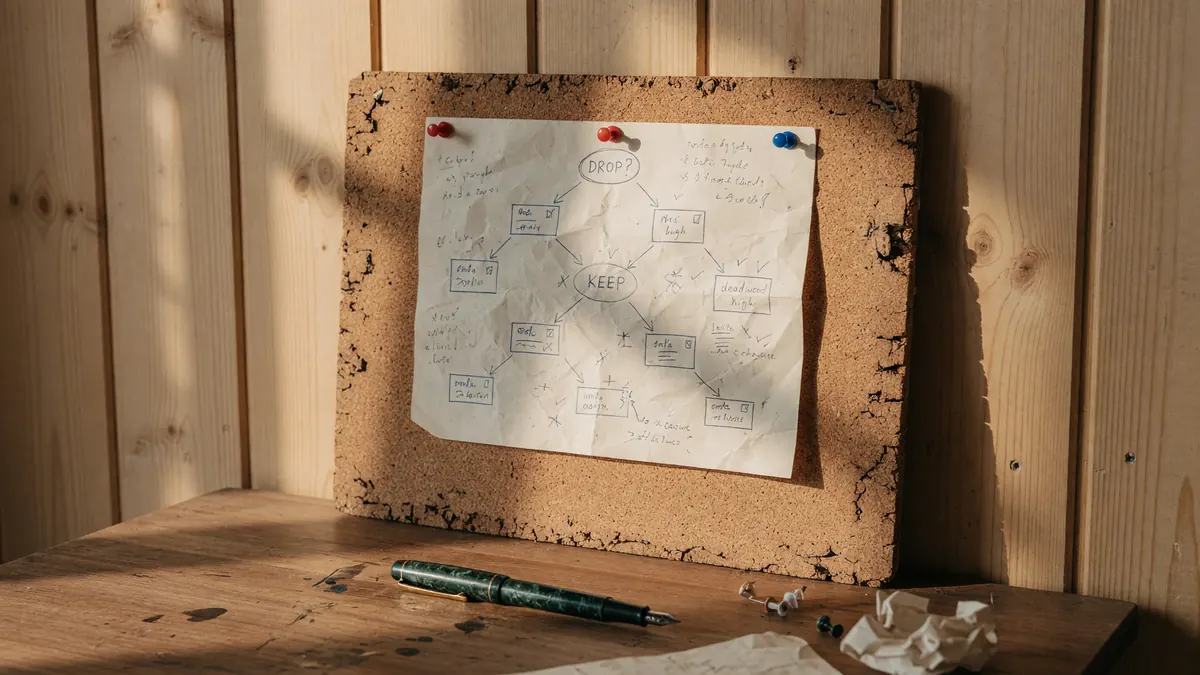
2. Sequence probability
A 13-card hand drawn from a fresh deck has about a 1 in 4 chance of containing at least one pure sequence of four. The probability of two pure sequences in a single hand is roughly 1 in 9. These figures come from the standard 52-card deck and a single joker, ignoring wild printed jokers. They are intended as a working reference, not a guarantee.
Card counting changes the real probabilities in any given round. If the table has thrown three 8s, the probability of drawing the fourth 8 in your next pick is much lower than the textbook figure. Use the probability table as a calibration, not as a forecast.
The probability table the desk keeps by the kettle
- At least one pure sequence: ~74%
- Two pure sequences: ~36%
- At least one joker: ~33%
- Declared hand (avg, real rounds): ~14%
- Invalid declaration rate (real rounds): ~8%
- Drop rate (mid-round, low stakes): ~11%
3. The bankroll rhythm
The bankroll rhythm note is the most underestimated of the five working notes. Set a fixed session budget before you sit down: the buy-in, the stop-loss, the time cap. Write it down. The math of rummy rewards players who leave on schedule. A second deposit to recover the first is the most common pattern of harmful play.
A useful working figure is the 1/3 rule: a single session should not exceed one third of your weekly entertainment budget. If your weekly entertainment budget is ninety dollars, your session budget is thirty dollars. Stop at the threshold, win or lose.
4. The observation load
Observation load is the cognitive work of tracking the discard pile, the closed pile count, and the pace of play. The load rises quickly in the second half of a round and drops sharply at show time. The format rewards players who manage the load calmly. A player who plays faster than they can read the discard pile loses more rounds than they win.
A working discipline is the 45-minute break. After 45 minutes of play, take a 5-minute break away from the device. Drink water, walk, look out a window. The break resets the observation load and reduces the rate of high-value throws in the second half of the round.
5. The declaration discipline
Declare only on a hand you can defend. If you cannot describe your hand in one sentence, do not declare. A lost round at zero cost is cheaper than an invalid declaration of 80 points. The declaration discipline is the single most important working note in the strategy archive.
The hand description should fit in one sentence. Examples: "Two pure sequences in hearts and clubs, one set of sevens, joker in the clubs set." Or: "One pure sequence in spades, one impure sequence in diamonds using the joker, three unmatched cards totalling twelve points." If the sentence is longer than thirty words, the hand is not ready.
The strategy archive reading order
- Discard window (this page, section 1)
- Sequence probability (section 2)
- Bankroll rhythm (section 3)
- Observation load (section 4)
- Declaration discipline (section 5)
- Format-specific notes: 13-card, 21-card, pool, points, gin
Read each note twice. The first read is for the rule. The second read is for the margin notes in the strategy notebook. The notebook is where the desk keeps the working observations that do not fit on the printed page.